
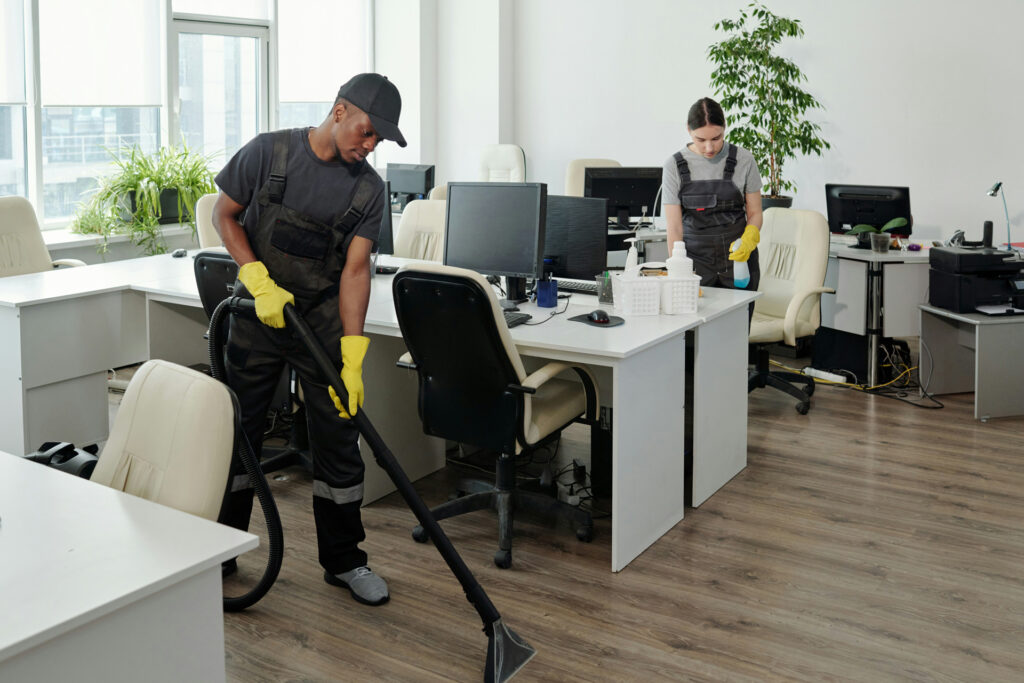
Introduction
In today’s competitive and health-conscious business landscape, maintaining a spotless workplace is more than just a matter of aesthetics—it’s essential for productivity, employee well-being, and brand perception. Yet, one of the most overlooked aspects of office hygiene is cleaning frequency. How often should you really clean your office?
This guide offers a comprehensive look at office cleaning frequency in 2025, tailored for modern workplaces. Whether you manage a high-traffic office or a boutique agency, this article will help you determine the right schedule to maintain hygiene standards, impress clients, and reduce sick days.
Why Cleaning Frequency Matters in 2025
The global pandemic forever reshaped workplace hygiene expectations. In 2025, cleaning is no longer reactive—it’s strategic.
1. Employee Health and Wellness
Regular cleaning reduces the spread of illness-causing germs. According to the Centers for Disease Control and Prevention (CDC), high-touch surfaces in shared spaces can harbor viruses for hours or even days. A proper cleaning schedule can reduce absenteeism and create a healthier work environment.
2. Client Perception and Brand Image
First impressions are powerful. A cluttered or dusty office can instantly undermine client trust. Consistent cleaning ensures that conference rooms, restrooms, and common areas are always presentable—reinforcing professionalism.
3. Compliance with Hygiene Regulations
OSHA and local health departments require that certain workplace environments adhere to minimum cleaning standards. For example, businesses in the medical, food, or childcare industries must follow stricter protocols. OSHA guidelines are an essential benchmark.
Factors That Influence Office Cleaning Frequency
There’s no one-size-fits-all approach to cleaning. The optimal frequency depends on multiple factors, including:
1. Size of the Office Space
Larger offices naturally require more frequent attention to maintain consistency and reduce buildup across various departments and zones.
2. Type of Business
Some industries demand higher standards:
- Medical practices require daily sanitization
- Retail environments face high foot traffic and need constant surface cleaning
- Tech startups may need less frequent deep cleans but more frequent desk sanitizing due to shared equipment
3. Number of Employees and Foot Traffic
The more people, the more germs. An office with 100+ employees has very different needs than a 5-person co-working space. High-traffic areas such as lobbies and break rooms should be cleaned multiple times per day in large offices.
4. Seasonal Considerations
Winter often brings colds and flu, increasing the need for daily disinfecting. Spring may trigger allergy flare-ups, requiring dust control and air filter maintenance. Adjust cleaning frequency seasonally to keep health risks in check.
Next, we’ll break down daily, weekly, and monthly checklists to help you implement a routine that supports your business operations while keeping everyone safe and productive.
Daily Office Cleaning Checklist
Creating a reliable daily routine is the foundation of maintaining a hygienic office. The following tasks should be prioritized every day:
- Empty all trash bins and recycling containers
- Wipe and disinfect high-touch areas such as doorknobs, light switches, keyboards, and phones
- Clean and restock restrooms, ensuring all surfaces are disinfected
- Tidy and disinfect reception areas to maintain a welcoming first impression
- Sanitize shared equipment like copiers, break room appliances, and vending machines
According to a study by the National Institutes of Health (NIH), viruses like SARS-CoV-2 can live on plastic or stainless steel surfaces for up to 72 hours—reinforcing the importance of daily disinfection.
Weekly Office Cleaning Checklist
While daily tasks maintain surface cleanliness, weekly tasks focus on deeper grime and hard-to-reach places. These should be done at least once a week:
- Dust and wipe all surfaces, including shelves, window sills, and baseboards
- Vacuum all carpeted areas and mop hard floors thoroughly
- Clean glass surfaces and mirrors to remove smudges and dust
- Disinfect kitchen and breakroom areas, including countertops, microwaves, and coffee machines
- Wipe down office chairs and sanitize armrests
Weekly cleaning helps extend the life of office furniture and flooring while maintaining a fresh, hygienic atmosphere.
Monthly Deep Cleaning Tasks
Even with consistent daily and weekly maintenance, some tasks require a deeper monthly approach to prevent buildup and maintain long-term hygiene:
- Clean air vents and replace HVAC filters, which helps reduce allergens and improve air quality
- Steam clean carpets and rugs to remove embedded dirt and bacteria
- Wash and sanitize fabric surfaces such as curtains, cushions, and upholstered chairs
- Disinfect inside cabinets and storage areas, especially in break rooms and supply closets
According to Environmental Protection Agency (EPA) guidance, improving indoor air quality through proper cleaning is linked to higher productivity and reduced employee complaints.
Quarterly and Annual Cleaning Needs
Beyond monthly deep cleaning, quarterly and annual maintenance ensures your workspace remains in optimal condition throughout the year. These larger-scale tasks protect long-term asset value and prevent unseen hygiene risks.
Quarterly Tasks:
- Window washing (interior and exterior)
- Deep cleaning of upholstery and spot treatments
- Detailed cleaning of light fixtures and ceiling fans
- Pressure washing exterior surfaces (if applicable)
Annual Tasks:
- Carpet shampooing and floor refinishing
- Full HVAC system inspections and servicing
- Pest control inspection and prevention
- Complete facility sanitation for high-traffic areas or post-renovation cleanup
Office Areas That Need Different Cleaning Frequencies
Not all spaces in an office require the same attention. Here’s a breakdown by area:
- Reception Areas: Daily surface cleaning and tidying, weekly deep cleans
- Conference Rooms: Daily table and chair wipe-downs; weekly equipment cleaning
- Restrooms: Must be cleaned and restocked at least daily, preferably multiple times in high-use offices
- Kitchens/Break Rooms: Daily disinfection of all surfaces, appliances, and sink areas
- Private Offices: Weekly cleanings may suffice unless otherwise used by multiple people
Industry-Specific Cleaning Frequency Recommendations
Different industries carry different expectations and hygiene risks. Here’s what’s recommended by sector:
Healthcare Offices:
- Disinfection multiple times daily
- Strict compliance with CDC and OSHA guidelines
Educational Institutions:
- Daily classroom cleaning
- Weekly disinfecting of gym, cafeteria, and shared areas
Warehouses and Industrial Settings:
- Daily sweeping and spill management
- Monthly equipment sanitation
Corporate Offices:
- Daily restroom and shared space cleaning
- Weekly desk and carpet maintenance
- Monthly air quality and allergen control
A custom cleaning plan tailored to your industry and facility layout is essential for ensuring safety and operational efficiency.